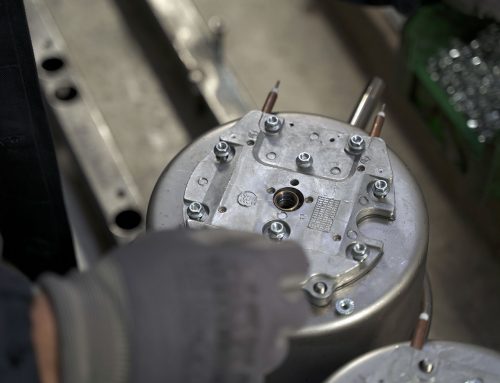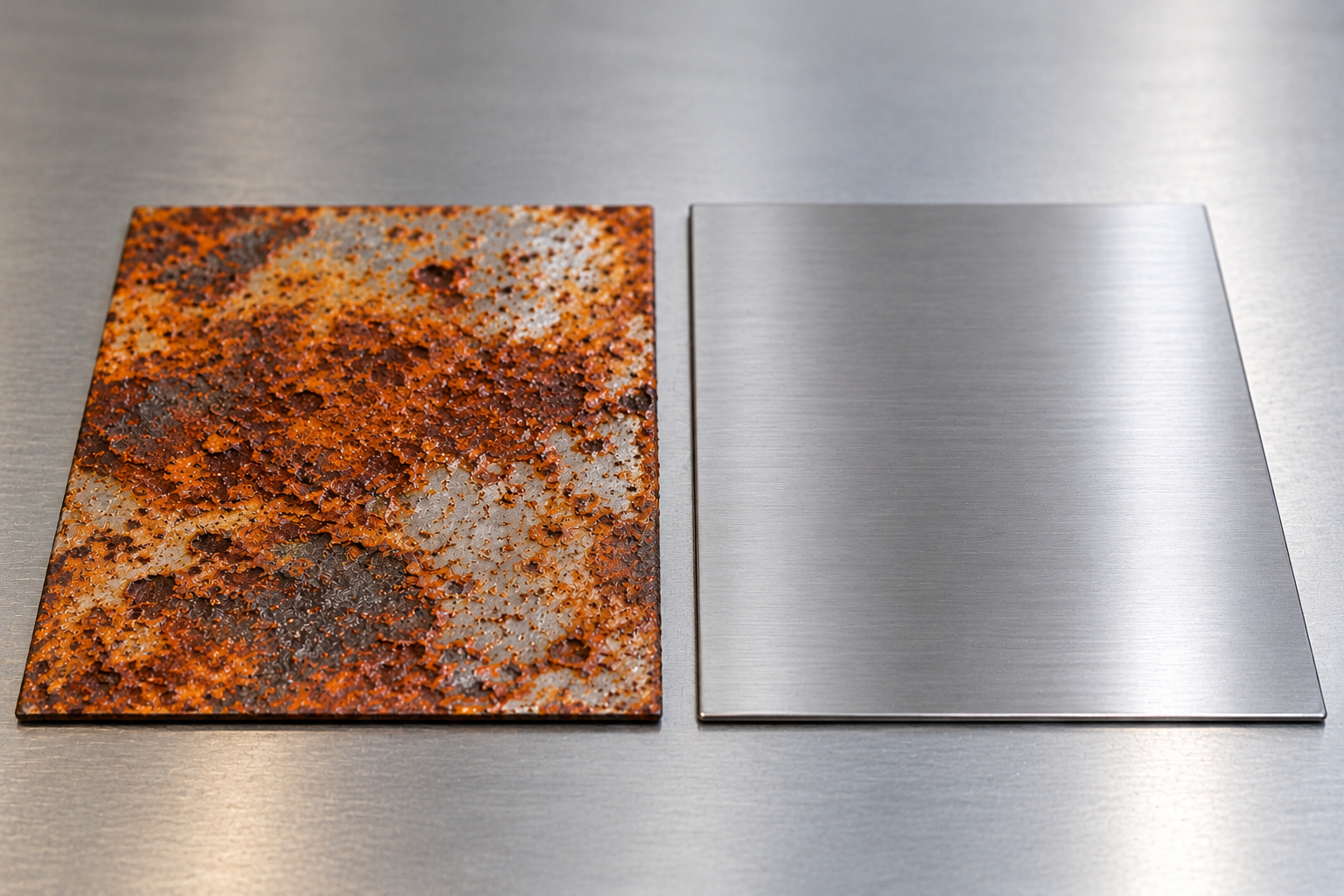
Corrosion-resistant steam boiler manufacturing: boiler strength is not measured solely in terms of pressure or thermal yield, but also by its durability against aggressive chemical and physical agents. When a steam generator is intended to operate in highly corrosive environments – such as the chemical, pharmaceutical, or water treatment industries – choosing the right materials is not enough: advanced protective surface treatments are required.
In the manufacturing of corrosion-resistant steam boilers, GRC Italia offers these treatments upon request, such as pickling and passivation, which are essential processing steps to ensure maximum protection and extend the operational life of the plant.
Why corrosion protection is essential
In aggressive industrial environments, metal is constantly exposed to factors that accelerate its degradation:
-
High humidity and acid or alkaline vapors
-
Presence of chlorine, salts, or aggressive chemicals
-
High operating temperatures that accelerate oxidation reactions
Without adequate protection, steel surfaces (even stainless steel) can suffer from localized corrosion phenomena (such as pitting or intergranular corrosion). This translates into a risk of sudden downtime, drops in efficiency, and extraordinary maintenance costs.
Pickling and Passivation: additional treatments for maximum safety
To meet the challenges of the most extreme environments, GRC Italia performs – upon specific customer request – additional pickling and passivation operations. These two complementary steps are essential for restoring and enhancing the natural defenses of the metal following mechanical processing and welding.
[ Processing / Welding ] ──► [ Pickling (Cleaning) ] ──► [ Passivation (Protection) ]
-
Pickling: deep surface cleaning During the boiler forming and welding processes, thermal oxides and free iron contamination form on the steel surface. Pickling consists of a chemical treatment that completely removes these altered layers and impurities, restoring the metal surface to its chemically pure state. This eliminates the “weak spots” where corrosion could be triggered.
-
Passivation: rebuilding the protective layer Stainless steel owes its resistance to the chromium oxide micro-film that forms naturally upon contact with oxygen. However, after welding or pickling, this protective layer can become non-uniform. Passivation is a controlled chemical process that accelerates and standardizes the formation of this invisible passive film. The result is an extremely compact and resistant protective barrier capable of insulating the metal from external corrosive agents.
The benefits of corrosion-resistant steam boiler manufacturing
Choosing a steam boiler with pickling and passivation treatments guarantees concrete benefits in terms of efficiency and operational continuity:
-
Maximum corrosion resistance: Effective protection even under the most severe environmental conditions.
-
Increased boiler longevity: Drastic reduction in material wear and degradation over time.
-
Reliability and safety: Lower risk of leaks, failures, or unexpected downtime.
-
Surface hygiene and cleanliness: Ideal for sectors with high hygienic and sanitary standards (chemical, pharmaceutical, food).
GRC Italia’s custom solution: Every plant has unique requirements. For this reason, we evaluate the destination environment of the steam generator together with the customer to recommend the most suitable additional treatments.